
RV BUYING & FINANCING · FREE COMPARISON TOOL
New vs. Used RV Cost Comparison Calculator
Compare the cost of ownership.
Choose with a clearer picture.
Should you buy a new RV or save money with a used one? Compare purchase prices, loan payments, depreciation, insurance, maintenance and potential repairs to estimate which option could cost less over the years you plan to own it.

Simple & Advanced modes · No account required · Printable results & CSV
TWO OPTIONS. ONE OWNERSHIP PLAN.
Compare New and Used RV Costs
Start with Simple mode. Choose Advanced to include trade-ins, inspection, warranties, extra payments and more. Use one currency throughout; changing the currency label does not convert entered amounts.
Loading calculator… If it does not appear, reload the page or contact the site owner.
Calculation assumptions and reconciliation
Economic ownership cost = purchase price + acquisition extras + interest through ownership + operating spending − resale after selling costs.
Net cash cost = upfront cash + actual loan payments + operating spending − net sale proceeds. Net sale proceeds = resale after selling costs − loan balance at sale. Adding contributed trade equity to net cash cost reconciles to economic cost, including when trade equity is negative.
Acquisition extras include tax, fees, inspection, initial repairs, upgrades and service contracts. These are paid upfront. Trade equity equals trade value minus payoff and reduces financing. Tax is applied to the full purchase price without a trade credit. Loan payments are monthly, fixed-rate and clipped at final payoff, including additional principal payments. No balloon, lender fee schedule, prepayment penalty or partial-month sale is modeled.
Maintenance escalates using its own annual rate. Insurance, registration, storage, fuel, camping, extra repair spending and expected claim deductibles escalate using the operating-inflation rate, starting in year two. Values are nominal; discounting, opportunity cost, exchange conversion and income-tax consequences are excluded.
For the repair break-even annual equivalent, the first-year additional allowance is increased by operating inflation in later years. It is additional to existing repair budgets and assumed paid in cash. The same whole-year horizon applies to both vehicles.
RV inspection and buying essentials
Optional equipment to compare for your RV setup.
Affiliate disclosure: This section contains paid Amazon affiliate links. As an Amazon Associate I earn from qualifying purchases.
RV moisture meter
Check accessible areas for signs of moisture during inspection.
Check for the latest price →RV inspection camera
Examine hard-to-see accessible areas before buying.
Check for the latest price →RV roof sealant
Compare common roof-maintenance supplies.
Check for the latest price →As an Amazon Associate I earn from qualifying purchases. These are sponsored affiliate links. Product specifications and availability can change. Measurements and tools do not establish equipment safety; always follow manufacturer instructions, applicable electrical and plumbing requirements, and qualified-professional procedures.
Understanding Your Comparison Results
Start with economic ownership cost when comparing the two purchases. It includes the value used up during ownership, financing interest and the expenses you enter. The result identifies the lower-cost option under those assumptions; it does not rate condition, comfort or suitability.
Cash spending
Upfront cash, loan payments and operating expenses before a sale. This is useful for planning what leaves your bank account.
Economic cost
Purchase price plus acquisition extras, interest and operating costs, less resale after selling costs. Loan principal is not added again.
Exit position
Estimated sale proceeds after selling costs and loan payoff. A negative amount means you would need additional cash to clear the loan.
Trade-in equity is an asset contributed to the purchase. The calculator shows it separately so a larger trade-in does not make an RV appear economically cheaper simply because less cash changes hands.
Is Buying a New or Used RV Cheaper?
A lower asking price can give a used RV a head start, but it does not settle the comparison. The final difference depends on the prices you negotiate, borrowing costs, condition-related work and eventual resale values. Use quotes for two RVs that meet similar travel needs.
Keep the ownership period and annual usage the same. Include the work each vehicle needs before your first trip, then adjust repair allowances and resale assumptions to see whether the result is robust. If a modest change reverses the outcome, treat the apparent saving as uncertain.
New vs. Used RV Financing Costs
Enter a written financing quote for each RV: the annual interest rate, term and cash down payment. A longer term can lower the scheduled payment while leaving a balance when you sell. Compare both the payment and interest paid through your intended ownership period.
The model uses a fixed rate with monthly interest, no balloon payment and no prepayment penalty. The annual loan-rate input is used as the nominal rate divided by twelve; a disclosed APR that includes lender fees may not equal the contract rate. Reconcile the quote and fees with your lender before relying on a payment estimate.
Advanced mode adds optional extra monthly payments and trade-in value and payoff. Negative trade equity increases the new borrowing amount. Taxes, acquisition fees, inspection, initial repairs, upgrades and service contracts are paid upfront in this model. If your offer finances these extras, the lender’s actual payment will differ.
The CFPB explains how down payments affect borrowing, and its trade-in guidance explains negative equity. These are general vehicle-finance resources, not RV loan offers.
How RV Depreciation Changes the Comparison
Depreciation is the difference between the price paid and the assumed resale value. This RV depreciation calculator offers two approaches: editable percentage rates or a manual future resale value. Neither is an appraisal or a prediction based on live market data.
With rates selected, a vehicle entered at age zero uses the first-year rate once, then the later annual rate. An RV entered at age one or older starts from its current purchase price and uses the later rate for each future year. Entering an older age does not automatically select a new rate: adjust the rate yourself for the vehicle and evidence you have.
With manual resale selected, enter a value for the end of the chosen ownership period. Intermediate years follow a straight line from purchase price to that value, purely for illustration. If you change the horizon, update the resale value as well. A manual resale value above the purchase price produces negative depreciation.
Compare current asking prices with actual condition, model, mileage and local availability in mind. Asking prices are not confirmed sale prices. The chart makes your assumptions visible; it does not validate them.
Maintenance, Repairs and Warranty Costs
Separate routine maintenance from known work needed immediately. In Simple mode, enter a combined annual maintenance and repair budget. Advanced mode adds initial repairs, upgrades, expected warranty claims, deductible amounts and an additional unexpected-repair allowance.
All recurring repair allowances are counted as expected spending. Money simply set aside and still owned at sale is not a cost in this model. Avoid putting the same repair in the annual maintenance figure and the additional repair allowance.
A warranty or service contract does not automatically remove repair expenses. Enter the purchase cost and your expected deductibles, and set the repair budget to the remaining work you expect to pay for yourself. Read exclusions, claim limits, eligibility and transfer terms. The FTC’s warranty and service-contract guidance explains why those documents matter; verify the terms for your particular RV.
Comparing RV Resale Values
Use the value you expect to receive when selling, not the original MSRP. Allow for condition, service records, changes in demand and how you plan to sell. Advanced mode includes a selling-cost percentage; the result deducts it before calculating net proceeds.
The outstanding loan is calculated month by month through the comparison period. Net proceeds equal assumed resale less selling costs and the remaining principal. You can have positive resale value and still need cash at sale if the loan balance is higher.
Change the ownership period to compare three, five or ten years. Percentage models update automatically. A manual resale amount must be updated for the new horizon. All calculations use nominal money, without discounting or the opportunity cost of invested funds.
When Does Buying New Make More Financial Sense?
New may have the lower modeled cost when its negotiated price, financing and expected resale position offset its additional acquisition cost. A sufficiently large used-RV repair allowance can also change the result. Test those conditions instead of assuming the new RV will always cost more.
Factory configuration, verified warranty coverage and time saved on initial work may matter to you even when the cost result favors used. Those benefits are personal judgments and are not assigned an invented dollar value here.
When Does Buying Used Make More Financial Sense?
Used may have the lower modeled cost when its lower acquisition price outweighs financing differences, immediate work and ongoing repairs. Service history and an independent inspection can help you estimate the work to include, but neither guarantees future reliability.
Before choosing, review condition, water intrusion, chassis and house systems, tires, recalls and documented maintenance with qualified help. Confirm the proposed RV meets your travel needs and verify the lender and insurer will cover it. A low calculator total cannot make an unsuitable vehicle suitable.
New vs. Used RV Calculator FAQs
Is it cheaper to buy a new or used RV?
It depends on the two actual purchases. Compare negotiated prices, finance quotes, ownership expenses and resale assumptions over the same period. The calculator can favor either option.
Do new RVs depreciate faster than used RVs?
There is no single rate for every RV. This model lets you enter a separate first-year rate for an age-zero vehicle and a later annual rate. Older RVs start from today’s entered price rather than repeating a new-RV first-year drop.
Are interest rates higher on used RV loans?
That is not assumed here. Enter a quote for each vehicle. The vehicle’s age, the lender, the loan and borrower circumstances can affect which terms are offered.
Is a five-year-old RV a better financial choice?
Age alone cannot decide. Enter age five for the used RV, then use its actual price, inspection findings, financing quote and expected future value. Compare the result with a new RV that meets the same needs.
Should I get a used RV inspected before purchasing?
An independent RV inspection can help identify issues to include in your initial repair and maintenance assumptions. Check what the inspection includes; chassis and house systems may require different expertise. An inspection is not a guarantee against future faults.
How much should I budget for used RV repairs?
Use known condition, inspection findings, maintenance records and repair quotes. Enter routine costs and expected unexpected repairs separately in Advanced mode, then test a higher-cost scenario. No universal repair budget is assumed to be correct.
Is a new RV warranty worth the extra cost?
Compare the purchase premium with the coverage you will actually receive, including exclusions, deductibles and duration. The model includes service-contract costs and expected deductibles; you must adjust repair allowances for the coverage yourself.
Which RV types hold their value better?
This tool does not rank RV classes or brands by resale performance. Use evidence for the particular model, condition and market to choose a resale assumption. It supports motorhomes, travel trailers and fifth wheels through your entered costs.
How does an RV’s resale value affect ownership cost?
A higher assumed resale value reduces modeled economic cost. Selling costs reduce that benefit. The remaining loan determines how much cash you receive or must pay at sale, and is not an additional economic cost on top of the purchase price.
Can a used RV cost more than a new RV over five years?
Yes, under some combinations of price, financing, repairs and resale. The repair break-even result shows how much additional used-RV spending would erase its modeled advantage, or the cost reduction needed if it is already more expensive.
Should I buy an RV with cash or finance it?
Compare a cash scenario with a quoted financing scenario. For cash, set the cash down payment to the price less positive trade equity. The calculator includes loan interest but does not model investment returns, liquidity needs or tax consequences.
Can Canadian buyers use this calculator?
Yes. Select CAD and enter all amounts in Canadian dollars. This changes formatting, not exchange rates. Enter the applicable tax and fees yourself. Tax applies to the full purchase price; provincial trade-in credits, rebates and special tax rules are not automatically calculated.
Next Steps
Compare loan payments, ownership costs and inspection findings, then review the full buying decision. Inputs are separate and are not transferred automatically.
Sources and Planning Notes
Reviewed November 5, 2026. These general vehicle-buying resources explain financing and contract concepts; they are not RV valuations and do not endorse this calculator.
- CFPB: How down payments affect borrowing
- CFPB: Trade-ins and outstanding loans
- FTC: Warranties and service contracts
Calculations run in your browser. This tool does not access a lender, insurer, vehicle-history service or valuation database. Entered calculator data is not saved or transmitted by this code. The surrounding website may have its own privacy settings.
Related RV Planning Tools
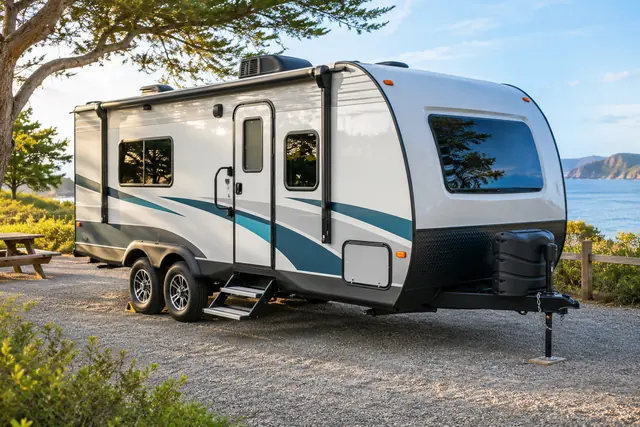
RV Ownership Cost Calculator
Explore operating costs, depreciation and resale assumptions.

RV Trip Budget and Planning Tools
Plan travel spending alongside a potential purchase.

RV Buying Decision Planner
Review purchase assumptions, monthly costs and unresolved checks.
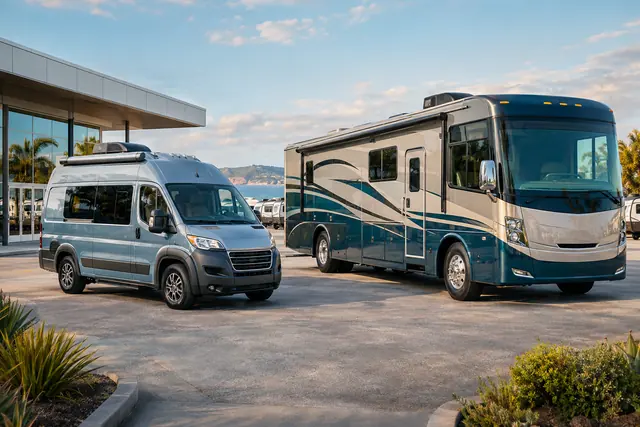
RV Loan and Payment Calculator
Model financing, trade equity and extra principal payments.